Français
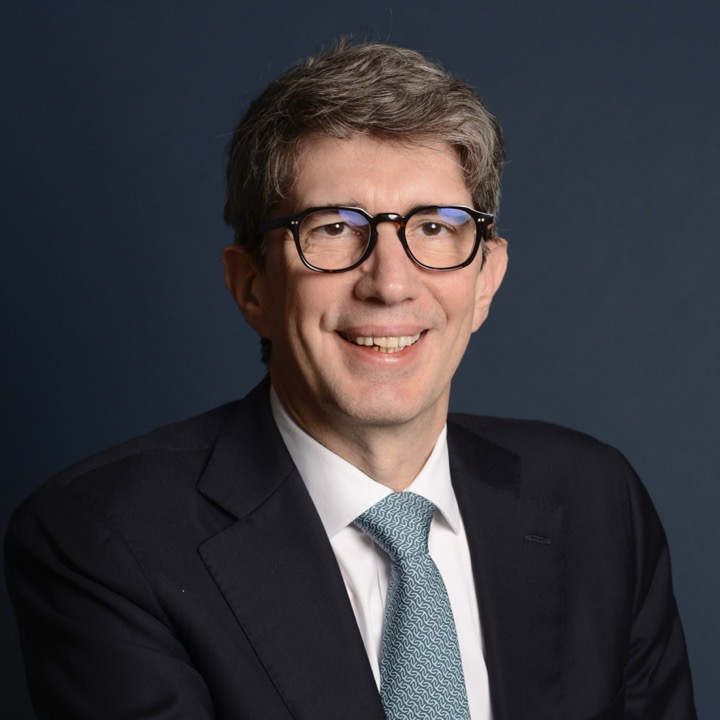
Vous trouverez ici tout ce qui me concerne, en libre usage : les phrases pour me présenter, les sujets sur lesquels je peux intervenir, mon parcours et ma photo. Merci de citer la photographe si vous utilisez l'image.
Je suis disponible pour des interviews sur le rachat et la transmission d'entreprises, la relation entre un fonds d'investissement et le dirigeant qui reste après la cession, la façon dont un fondateur organise sa propre succession, et mon propre parcours de repreneur pendant treize ans.
L'essentiel
| Qui | Laurent Pasquet, entrepreneur, et conseil aux acquéreurs sur les opérations où le propriétaire reste dirigeant ou au conseil d'administration |
|---|---|
| Entreprise | Apex Education Group, qu'il a construit par six acquisitions, dirigé treize ans, et dont il est président non exécutif |
| Méthode | Le diagnostic C3F®, qui mesure avant le closing l'écart entre les attentes de l'acquéreur et la culture de l'entreprise qu'il rachète, à travers quatre piliers : la culture, la capacité, le contrôle et le fondateur |
| Avant | Dix ans chez Alcatel-Lucent, de 1997 à 2007 ; private equity chez Lehman Brothers à Londres pendant son MBA à l'INSEAD |
Les phrases pour me présenter
Version courte
Laurent Pasquet a construit Apex Education Group en regroupant six sociétés françaises et italiennes, qui font partir chaque année 1 500 jeunes en scolarité à l'étranger, en summer camp ou en immersion complète. Il a racheté ces entreprises à leurs fondateurs et dirigé le groupe pendant treize ans, avant d'en devenir président non exécutif. Il intervient aujourd'hui sur des opérations de rachat où le propriétaire dirige encore son entreprise.
Version longue
Je pense qu'un jeune qui part seul à l'étranger en revient transformé, et c'est pour cela que j'ai construit Apex Education Group, en regroupant six sociétés françaises et italiennes pour faire partir chaque année 1 500 jeunes en scolarité à l'étranger, en summer camp ou en immersion complète.
Après avoir racheté ces entreprises à leurs fondateurs, j'ai dirigé le groupe pendant treize ans. J'y ai appris que ce qui détruit le plus de valeur, c'est l'écart entre les attentes de l'acheteur et la culture de l'entreprise, ainsi que l'incapacité à donner au fondateur une place dans le nouveau projet. J'ai tiré de cette expérience le diagnostic C3F®, qui mesure cet écart et la compatibilité du fondateur avec la vision de l'acquéreur.
Les études montrent que 50 à 73 % des dirigeants sont remplacés avant la revente de l'entreprise. Un remplacement coûte cher : il fait perdre environ deux ans sur le plan de création de valeur.
J'interviens donc sur des opérations de reprise où le propriétaire dirige encore son entreprise : approcher le cédant, accompagner la transaction, poser le diagnostic, et, après le closing si les deux parties le souhaitent, aider le cédant et l'acquéreur à se comprendre, comme je le faisais déjà chez Alcatel-Lucent il y a une vingtaine d'années.
Avant Apex, dix ans chez Alcatel-Lucent, où je me tenais entre le groupe et les patrons des start-up de la Silicon Valley qu'il rachetait, à construire les synergies attendues sans perdre les équipes fondatrices. Et, pendant mon MBA à l'INSEAD, le capital-investissement chez Lehman Brothers à Londres.
Je suis toujours heureux d'échanger avec des investisseurs, des dirigeants, et bien évidemment des familles qui cherchent le meilleur pour leurs enfants.
Angles proposés aux rédactions
Voici des sujets prêts à travailler, avec ce que je peux apporter sur chacun. Écrivez-moi pour approfondir.
Ce qui se passe après le closing
On remplace le dirigeant, et le plan de création de valeur recule de deux ans. De 50 à 73 % des dirigeants d'entreprises détenues par un fonds de private equity sont remplacés avant la revente de la participation, la plupart dans les deux ans qui suivent le closing. Un remplacement coûte environ deux années sur le plan de création de valeur, entre les premiers signaux d'alerte et le retour à la pleine productivité. Laurent Pasquet a vécu six fois cette situation, comme acheteur d'une entreprise à son fondateur, mais il n'a jamais eu à provoquer le départ d'un dirigeant.
Deux ans de retard, c'est deux ans sans distribution (DPI). Un fonds qui ne rend pas d'argent assez vite à ceux qui lui en ont confié aura du mal à lever le fonds suivant. Remplacer un dirigeant allonge la durée de détention, et cet allongement se lit directement dans le DPI, la part du capital effectivement rendue aux souscripteurs. Une opération qui rapporte deux fois et demie la mise a un rendement de 20 % en cinq ans ; il tombe à 14 % quand la détention passe de cinq à sept ans.
Le fonds attend une gouvernance, le fondateur garde son autorité. Un investisseur arrive avec ses exigences de reporting et son plan de création de valeur, validés par son comité d'investissement avant même la signature. En face, un fondateur qui a vendu son entreprise mais reste dans les murs, garde ses réseaux d'autorité informelle et s'identifie encore à son entreprise. Et entre les deux, on peut avoir un nouveau DG qui a reçu un mandat sur le papier et doit encore gagner l'autorité et la crédibilité qui vont avec.
Le traducteur, le médiateur
Ce que l'acheteur n'entendra jamais du vendeur. Dans un processus de vente, l'acquéreur est en concurrence avec les autres investisseurs : il y a des choses qu'il ne peut pas dire, et le vendeur ne peut pas non plus tout lui dire. Entre pairs, entre deux personnes qui ont l'une et l'autre dirigé leur propre entreprise, la conversation devient possible. C'est le rôle que Laurent Pasquet appelle le founder whisperer, et il l'exerçait déjà chez Alcatel-Lucent, entre le groupe et les fondateurs des sociétés rachetées dans la Silicon Valley, comme entre le siège et les clients africains.
Le parcours
Un fondateur qui organise sa propre succession. Après treize ans à la tête du groupe qu'il a construit, Laurent Pasquet devient président non exécutif. C'est un sujet dont on parle beaucoup et que peu de dirigeants racontent pendant qu'ils le vivent.
Six entreprises rachetées à leurs fondateurs, sur ses propres deniers. Six opérations sur six ouvertes directement avec le fondateur, sans intermédiaire et sans processus concurrentiel, chacune bouclée en moins de douze mois, en France et en Italie, sans fonds d'investissement au capital. Un sujet d'actualité pour la France : sur les PME et les ETI, Bpifrance compte environ douze mille transmissions possibles par an et un millier qui se font, soit une sur douze.
Parcours
| 1997-2007 | Alcatel-Lucent. Contrats d'infrastructures de grande ampleur à l'export, dans des environnements institutionnels complexes. Intégration des start-up rachetées par le groupe dans la Silicon Valley. |
|---|---|
| 2008 | Capital-investissement chez Lehman Brothers à Londres, pendant le MBA de l'INSEAD. |
| 2013-2026 | Construction et direction d'Apex Education : six acquisitions en France et en Italie, trois marques, 1 500 jeunes qui partent chaque année. Six transitions de dirigeant, des intégrations culturelles et des réorganisations de gouvernance, sans aucun départ de fondateur non organisé avant le rachat. |
| 2025 | Co-fondateur de MyFamilyAbroad, la première communauté d'échange entre familles. |
| 2026 | Bascule vers la présidence non exécutive du groupe. Conseil aux acquéreurs sur les opérations où le propriétaire dirige encore. |
Mandats et engagements
- Administrateur de l'UNOSEL, l'organisation professionnelle des séjours éducatifs et linguistiques.
- Mentor pour le MoovJee, le mouvement pour les jeunes et les étudiants entrepreneurs.
- Co-fondateur de MyFamilyAbroad, la première communauté d'échange entre familles.
Photographie
Portrait en haute définition, 3 559 pixels de côté. Photographie de Sonia Fitoussi, à créditer à côté de l'image.
Contact
- Site : laurentpasquet.com
- LinkedIn : pasquetlaurent
English
Everything about me is here, free to use: the sentences to introduce me, the subjects I can speak on, my track record and my photograph. Please credit the photographer if you use the image.
I am available for interviews on the acquisition and handover of companies, the relationship between a private equity fund and the CEO who stays on after the sale, how a founder organises his own succession, and my own thirteen years as an acquirer.
At a glance
| Who | Laurent Pasquet, entrepreneur, and adviser to acquirers on deals where the owner stays on as CEO or on the board |
|---|---|
| Company | Apex Education Group, which he built through six acquisitions, ran for thirteen years, and now chairs in a non-executive capacity |
| Method | The C3F® diagnostic, which measures before closing the gap between a buyer's expectations and the culture of the company being bought, across four pillars: culture, capability, control and founder |
| Before | Ten years at Alcatel-Lucent, from 1997 to 2007; private equity at Lehman Brothers in London during his INSEAD MBA |
Introducing me
Short version
Laurent Pasquet built Apex Education Group through six acquisitions in France and Italy, financed each himself with no financial sponsor and sourced each directly from the founder: six proprietary deals out of six, all closed within twelve months of first contact. He ran the group for thirteen years and is now its non-executive chairman. He advises acquirers on deals where the owner still runs the business.
Long version
I believe that a young person who goes abroad on their own comes back changed, and that is why I built Apex Education Group, bringing together six French and Italian companies that send 1,500 young people abroad every year, to school, to summer camp or to live with a host family.
Having bought those companies from their founders, I ran the group for thirteen years. That is where I learnt that what destroys the most value is the gap between a buyer's expectations and the culture of the company they have just bought, as well as the failure to give the founder a place in the new project. I turned that experience into the C3F® diagnostic, which measures that gap and the founder's fit with the buyer's plan.
Studies show that 50 to 73% of CEOs are replaced before the company is sold on. A replacement is expensive: it sets the value creation plan back by roughly two years.
So I work on acquisitions where the owner still runs the business: approaching the seller, supporting the transaction, running the diagnostic, and, after closing if both sides want it, helping seller and buyer understand each other, as I already did at Alcatel-Lucent twenty years ago.
Before Apex, ten years at Alcatel-Lucent, much of it standing between the group and the founders of the Silicon Valley companies it was buying, building the intended synergies without killing the founding teams. And, during my INSEAD MBA, private equity at Lehman Brothers in London.
I am always happy to talk with investors, founders and boards, and of course with families looking for the best for their children.
Story angles
Here are subjects ready to work on, and what I can bring to each. Write to me to go further.
What happens after closing
Replace the CEO, and the value creation plan slips by two years. Between 50 and 73% of fund-owned company CEOs are replaced before the fund exits the investment, most of them within two years of closing. A replacement costs roughly two years of the value creation plan, counting from the first warning signs to the return to full productivity. Laurent Pasquet has lived through that situation six times, as the buyer of a company from its founder, but he has never had to remove a CEO.
Two years late is two years without a distribution (DPI). A fund that returns no cash to the people who committed it will struggle to raise the next one. Replacing a CEO lengthens the hold period, and that shows up directly in DPI, the share of capital actually paid back to investors. A deal returning 2.5 times the money earns 20% over five years; that falls to 14% when the hold stretches to seven.
The fund expects governance, the founder keeps his authority. An investor arrives with reporting requirements and a value creation plan, both approved by an investment committee before the deal is even signed. Facing him, a founder who has sold the company but stays in the building, keeps his informal networks of authority and still identifies with the business. And between the two, there may be an incoming CEO with a mandate on paper who still has to earn the authority and the credibility that go with it.
The translator, the mediator
What the buyer will never hear from the seller. In a sale process the acquirer is competing with other investors: there are things he cannot say, and things the seller cannot say either. Between peers, between two people who have each run their own company, the conversation becomes possible. It is the role Laurent Pasquet calls the founder whisperer, and he was already playing it at Alcatel-Lucent, between the group and the founders of the companies it bought in Silicon Valley, as much as between head office and its African clients.
The track record
A founder organising his own succession. After thirteen years at the head of the group he built, Laurent Pasquet becomes its non-executive chairman. It is a subject much discussed and rarely told by the people living through it.
Six companies bought from their founders, with his own money. Six deals out of six opened directly with the founder, with no intermediary and no competitive process, each closed within twelve months, in France and in Italy, with no financial sponsor on the cap table. A live subject in France: among mid-sized companies, Bpifrance counts roughly twelve thousand possible handovers a year and about a thousand that actually happen, one in twelve.
Timeline
| 1997-2007 | Alcatel-Lucent. Large-scale export infrastructure contracts in complex institutional environments. Integration of the start-ups the group acquired in Silicon Valley. |
|---|---|
| 2008 | Private equity at Lehman Brothers in London, during the INSEAD MBA. |
| 2013-2026 | Building and running Apex Education: six acquisitions in France and Italy, three brands, 1,500 young people travelling every year. Six CEO transitions, cultural integrations and governance restructurings, with no founder departure that had not been agreed before the deal. |
| 2025 | Co-founder of MyFamilyAbroad, the first family-to-family exchange community. |
| 2026 | Becomes non-executive chairman of the group. Advises acquirers on deals where the owner still runs the business. |
Appointments
- Board member of UNOSEL, the French industry body for educational and language travel.
- Mentor for MoovJee, the French movement for young and student entrepreneurs.
- Co-founder of MyFamilyAbroad, the first family-to-family exchange community.
Photograph
High-resolution portrait, 3,559 pixels square. By Sonia Fitoussi, to be credited alongside the image.
Contact
- Website: laurentpasquet.com
- LinkedIn: pasquetlaurent